Pilot was great and provided excellent video and aerial photography for the property.
Charles Mazzini
Acquisition Manager
Trustland Group LLC

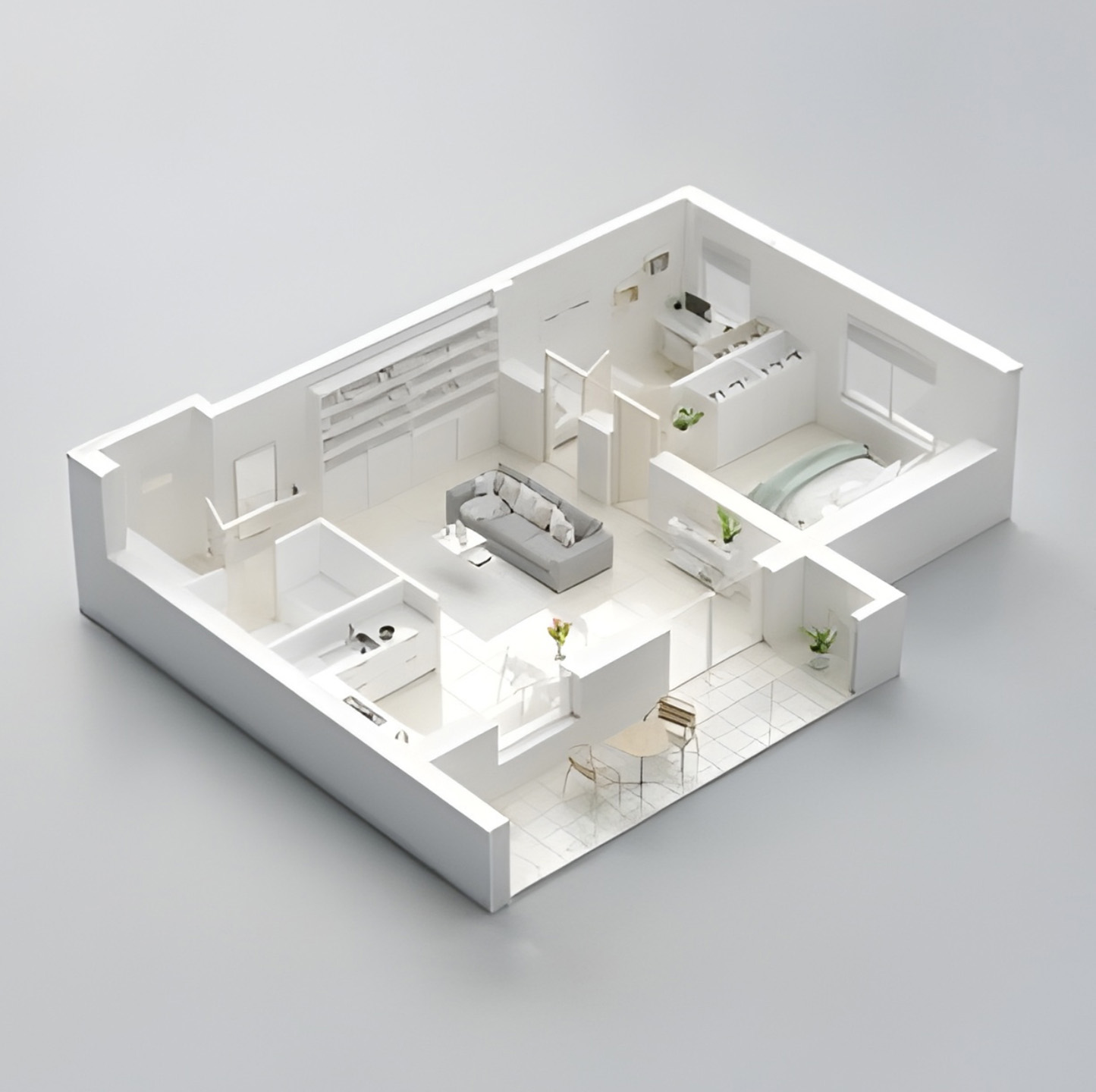
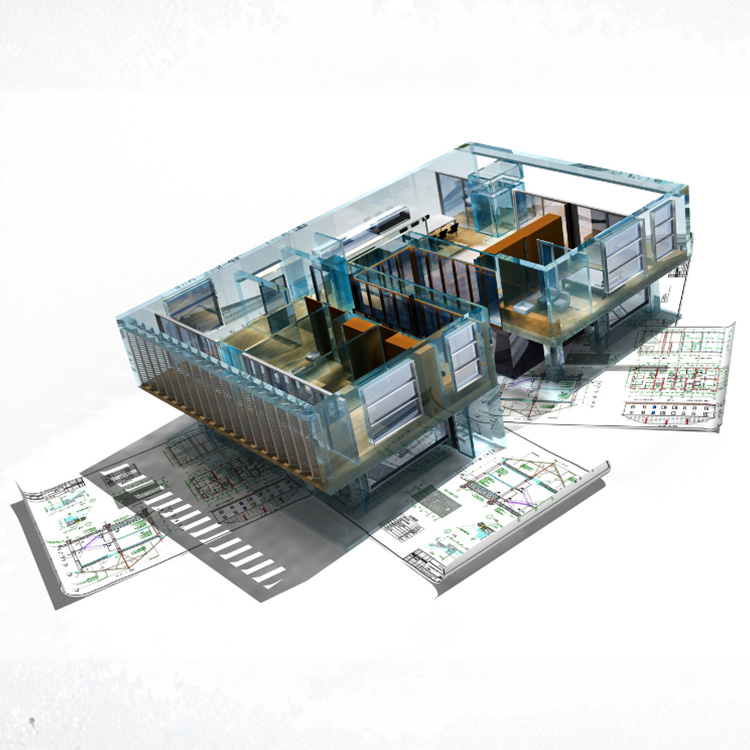
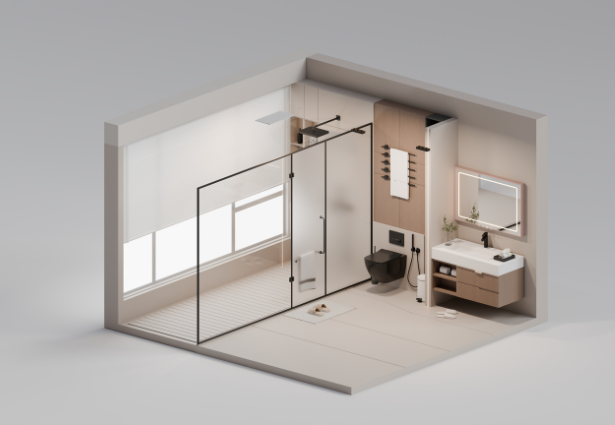
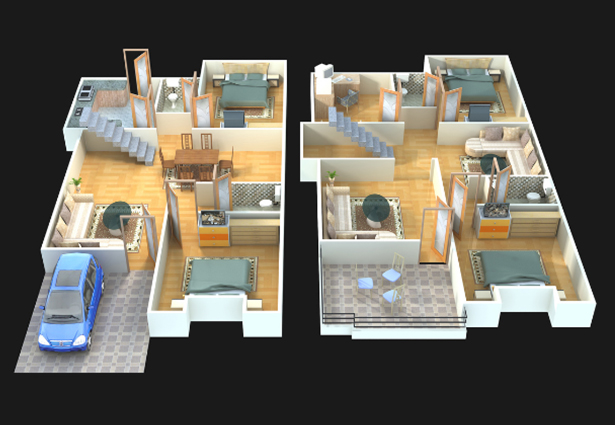
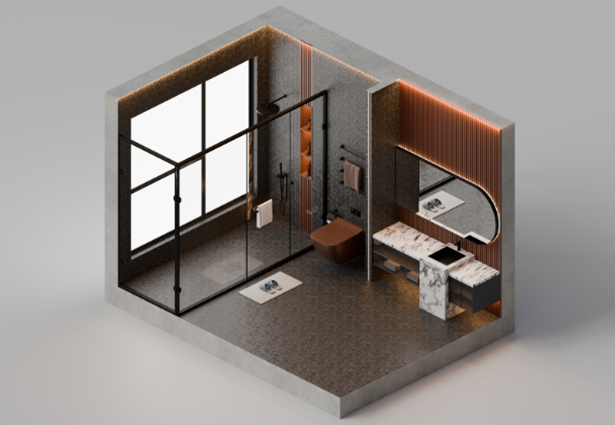
Precision 3D DFW creates digital 3D models of buildings, rooms, and real-world spaces using photography, video, and drone footage. This service gives property owners, real estate teams, construction companies, and space
managers a clearer way to present, review, and understand a physical location on screen. Instead of relying only on flat images or basic video, a digital 3D model helps turn visual content into something more useful, detailed, and engaging. Each model is built to support better communication, stronger presentations, and easier project or property visualization. Whether the goal is marketing, planning, documentation, or client communication, virtual 3D modeling can help bring a space to life in a more practical way.
What We Deliver:

Improve safety, reduce access risks, get updates on timelines and benchmarks and capture detailed visual data for rooftops, towers, equipment, structures, and other hard-to-reach areas.

Create more engaging content that captures attention, strengthen branding, and helps properties and businesses stand out in competitive markets.

Gain better property and site insights, improve planning accuracy, and document land and project conditions with detailed aerial perspectives and spatial data collection.
A reliable digital 3D modeling company should be able to walk you through their process in plain terms. For services like this, it starts with capturing the space using photography, video, and drone footage from multiple angles. The quality and coverage of that visual data directly impact how clean and accurate the final model will be. It’s not just about taking pictures, it’s about capturing the right perspectives so nothing important is missed. From there, the visuals are processed and structured into a digital 3D environment you can actually use. If a company can’t clearly explain this process, that’s usually a red flag.
Most companies that focus on real-world 3D modeling work with a wide range of spaces, but it’s important to make sure they align with your needs. This typically includes buildings, interiors, individual rooms, commercial properties, and active job sites. The key is experience with spaces that require accurate layout, scale, and visual detail. Whether it’s a residential property, a commercial facility, or a construction project, the company should be comfortable capturing and modeling it. Working across different types of environments also shows they can adapt to different conditions and project goals. A good provider should be able to point to real examples that match what you’re looking for.
Before moving forward, it’s important to know exactly what you’re getting at the end of the project. A strong 3D model is only useful if it’s easy to access, share, and apply to your needs. Some companies hand off technical files that aren’t very user-friendly, while others provide clean, ready-to-use digital assets. You should expect a clear explanation of what formats are included and how you’ll be able to use them. Whether it’s for presentations, internal use, or sharing with clients, the deliverables should fit your workflow. Clarity here avoids confusion later.
Since everything is digital, usability matters just as much as quality. You don’t want a model that requires special software or technical knowledge just
to open. Ask whether it can be easily viewed across devices, especially if you plan to share it with clients or team members. This is particularly important for property owners, managers, and project teams who need quick access. A well-delivered model should feel simple to use, not complicated. The easier it is to access, the more value you’ll get from it.
Accuracy doesn’t just happen during the modeling stage, it starts with how the space is captured. The number of angles, lighting conditions, and overall coverage all play a role in how detailed the final model will be. A good company plans out the capture process to avoid missing key areas or creating gaps in the model. They should also be able to explain how they handle both interior and exterior spaces. This question helps you understand whether they focus on quality or just speed. A strong answer shows they care about getting it right the first time.
At the end of the day, the model should serve a purpose beyond just looking good. It should help you present a space more clearly, communicate ideas more effectively, or document something in a way that’s easier to understand. Whether you’re working in real estate, construction, or property management, the value comes from how the model is used. A good
company will connect their service to real outcomes, not just technical features. They should be able to explain how it supports your specific goals. If they can’t do that, they’re probably just selling a product,
not a solution.
Pilot was great and provided excellent video and aerial photography for the property.
Charles Mazzini
Acquisition Manager
Trustland Group LLC
Pilot was great, very detailed and provide exactly the right images, he confirmed everything in advance and delivered everything very quickly in multiple high quality formats, will use again for sure!
Matt Scow
Executive Vice President
SecureNetLease.com
An absolute pleasure to work with! Delivers high quality results and has great attention to detail. We’ll definitely be working with him on many projects to come!
Benjamin Martinez
Chief Pilot
Vimana Aerial Solutions